blog

Laparoscopic-Urology-Treatment- in-Madurai

Laparoscopic Urology Treatment inMadurai – Advanced Minimally InvasiveKidney & Urinary Tract Surgery

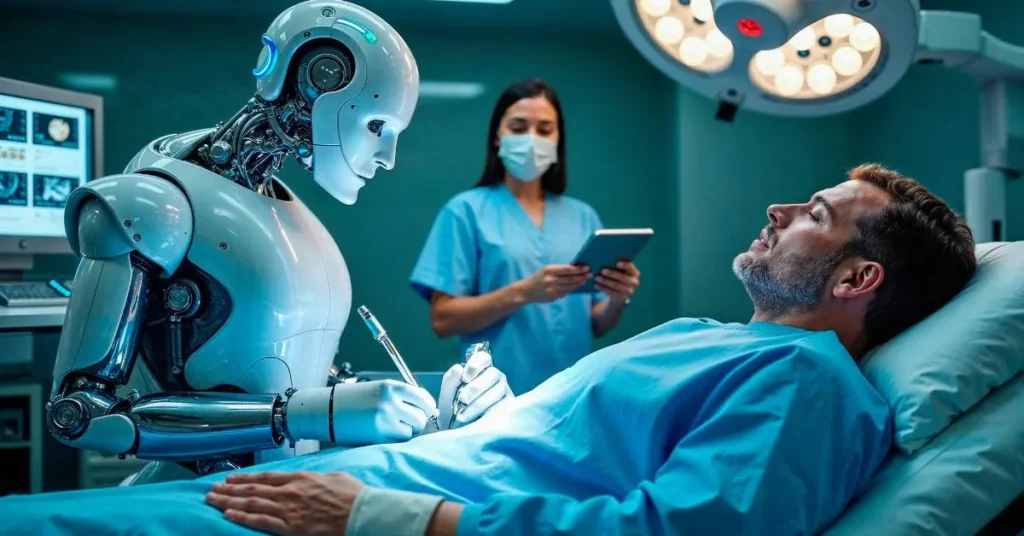
What IsLaparoscopic Urology Treatment? ● Laparoscopic Urology Treatment refers to minimally invasive surgicaltechniques used to diagnose and treat disorders of the urinary tract.● Also known as laparoscopic urological surgery, this approach uses smallincisions, special instruments, and high-resolution cameras to operate withprecision.● It has become a standard of care for many urological conditions due toreduced pain, faster recovery, and better cosmetic outcomes.● In contrast to open surgery, laparoscopic techniques significantly loweroperative trauma and hospital stay.● Laparoscopy is used for a wide range of urology treatments including kidney,ureter, bladder, adrenal, and prostate procedures. Key Advantages of Laparoscopic Urology Treatment ● Minimal Scarring: Small incisions reduce visible scarring compared toconventional open surgery.● Reduced Pain & Discomfort: Smaller wounds lead to significantly lowerpostoperative pain.● Faster Recovery Time: Many patients resume daily activities within days.● Less Blood Loss: Precise laparoscopic instruments minimize bleedingduring surgery.● Shorter Hospital Stay: Most procedures require only 1–3 days ofhospitalization.● Lower Risk of Infection: Small entry points decrease exposure and trauma.● Higher Precision: Magnified laparoscopic cameras enable surgeons to viewinternal structures in detail. Common Laparoscopic Urology Procedures 1. Laparoscopic Nephrectomy● Removal of a diseased or non-functioning kidney using minimally invasivetechnique.● Performed for conditions including renal tumors, severe infection, ortrauma.● Offers rapid recovery and excellent functional outcomes. 2. Laparoscopic Pyeloplasty● Correction of ureteropelvic junction (UPJ) obstruction.● Helps improve urinary flow from kidney to bladder.● High success rates with minimal postoperative issues. 3. Laparoscopic Partial Nephrectomy● Removal of a tumor while preserving healthy kidney tissue.● Recommended for small to moderate kidney tumors.● Maintains renal function while ensuring oncologic safety. 4. Laparoscopic Adrenalectomy● Removal of adrenal gland growths or tumors.● Ideal for hormonally active tumors causing conditions likepheochromocytoma.● Quick recovery and effective tumor control. 5. Laparoscopic Ureterolithotomy● Removal of large stones lodged in the ureter not amenable to shockwave orendoscopic treatment.● Efficient stone clearance with minimal incision. 6. Laparoscopic Radical Prostatectomy● Minimally invasive surgery for localized prostate cancer.● Preserves urinary and sexual function when feasible.● Often performed with robotic assistance for enhanced precision. Why Laparoscopic Urology Is Preferred Over Open Surgery ● Traditional open urology surgery requires large incisions, longer recovery,and increased discomfort.● Laparoscopic approach allows the surgeon to work through 3–5 cmincisions, drastically reducing surgical impact.● Studies show lower complication rates, improved postoperative mobility,and faster return to work.● Patients seeking quality of life post surgery increasingly prefer laparoscopicsolutions. How Surgeons Execute Laparoscopic Urology● Specialized laparoscopic trocars and tools inserted through tiny incisions.● A high-definition laparoscope transmits imagery to monitors, giving clearvisual guidance.● Surgeons perform delicate maneuvers using long instruments while watchinglive views.● Precision controls ensure blood vessel sealing, tissue dissection, andsuture placement with minimal error. Patient Experience & Outcomes● Most patients report very high satisfaction scores due to rapid recovery.● Pain management requirements are typically lower versus open procedures.● Complications such as wound infections or long-term stiffness aresignificantly reduced.● Return to routine activities often occurs within 1–2 weeks. Choosing a Laparoscopic Urology Specialist in Madurai● For specialized urology procedures in Madurai, choose a surgeon withadvanced laparoscopic expertise.● Credentials in laparoscopic oncology, reconstructive urology, andcomplex stone management are key factors.● Dr. Sathishkumar is among the urology experts performing these advancedprocedures with meticulous technique. For more details :Sandheep Memorial Hospitalsandheepmemorialhospital.com+91 83006 55325

Laparoscopic Urology Treatment inMadurai – Advanced Minimally InvasiveKidney & Urinary Tract Surgery Read More »

Lower Urinary Tract Infection Treatment

Lower Urinary Tract Infection Treatment by Specialists

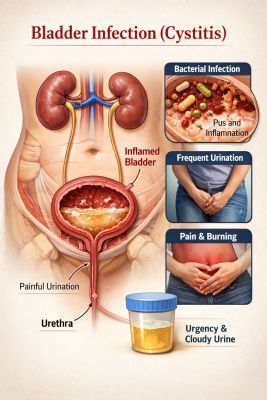
Focused Care for Lower Urinary Bladder Infections Bladder infections are a common form of lower urinary tract infection that cause discomfort during urination and frequent urinary symptoms. At Sandeep Memorial Hospital, bladder infection treatment in Madurai focuses on accurate diagnosis, responsible medication use, and preventive guidance to reduce recurrence.  All treatments are guided by qualified urologists following standard clinical protocols, ensuring safe and ethical care. What Is a Bladder Infection? A bladder infection occurs when bacteria enter and multiply within the bladder, leading toinflammation of the bladder lining. This condition is also known as cystitis and is one of themost common urinary infections, especially among adults.Early evaluation helps prevent the infection from spreading beyond the bladder.   Common Symptoms of Bladder Infection Burning sensation while urinating Frequent urge to pass urine Lower abdominal discomfort Cloudy or strong-smelling urine Mild fever or general uneasiness Symptoms limited to the bladder usually respond well to timely cystitis treatment. Evaluation and Diagnosis Evaluation for bladder infection includes Clinical symptom assessment Urine examination and culture Review of hydration and bladder habits If symptoms suggest a more complex urinary infection, further assessment may be recommended. Treatment Approach Bladder infection treatment is planned based on clinical findings and may include: Targeted antibiotic therapy when required Measures for symptom relief Advice on hydration and bladder care Unnecessary medications are avoided. Treatment duration is decided carefully to reduceresistance and recurrence. This approach aligns with best practices for UTI treatment inMadurai. When Bladder Infection Needs Further Evaluation Additional evaluation may be required if: Symptoms recur frequently Infection does not improve with treatment Blood appears in urine Pain or fever increases In such situations, further care may involve referral to related specialties when clinicallyindicated. Related Specialized Urology Services Based on patient profile and findings, further evaluation may involve: Uro Gynaecology Treatment in Madurai – when bladder infections are linked to female pelvic or bladder support issues Laparoscopic Urology Treatment – if structural urinary problems require surgical correction

Lower Urinary Tract Infection Treatment by Specialists Read More »

Managing Pediatric Urinary Control

Managing Pediatric Urinary Control

Urinary control concerns in children are a common source of worry for parents, particularly when symptoms interfere with school attendance, sleep, or social activities. Bedwetting beyond the expected age, frequent urgency, or daytime accidents often raise questions about whether a child’s development is progressing normally. Many families seek clarity through evaluation at Sandeep Hospital, where guidance from a pediatric urologist in Madurai helps distinguish normal developmental variations from conditions that require medical attention. Pediatric urinary control issues may result from bladder immaturity, learned voiding habits, constipation, delayed bathroom access at school, or mild anatomical differences. In some cases, children may ignore bladder signals due to play, screen time, or anxiety, leading to repeated accidents. Assuming these issues will always resolve on their own can delay appropriate care. Consultation with an experienced urologist in Madurai allows for age-appropriate assessment of bladder function while avoiding unnecessary interventions. The impact of urinary difficulties often extends beyond physical symptoms. Children may feel embarrassed, withdraw from group activities, or avoid overnight stays. Parents may respond by restricting fluids or enforcing strict bathroom routines, which can unintentionally worsen bladder behavior. At Sandeep Hospital, the urinary incontinence treatment Madurai families seek is approached with an emphasis on reassurance, consistency, and education rather than pressure or blame. Several everyday factors influence urinary control in children and can often be managed with informed adjustments: • Irregular bathroom breaks during school hours• Reduced fluid intake due to fear of accidents• Constipation affecting bladder function• Distractions that delay timely urination Addressing these factors early supports improved bladder awareness and healthier routines. Education plays a central role in helping children understand their bodies and in guiding parents to respond supportively. Management is usually gradual and focuses on building confidence rather than achieving immediate results. With proper understanding and timely evaluation, most pediatric urinary control concerns can be managed effectively. Through consistent assessment, family education, and child-centered care, Sandeep Hospital supports informed decision-making that prioritizes the child’s comfort, emotional well-being, and long-term urinary health. Early attention helps reduce stress for families and encourages habits that support healthy bladder function into adolescence. FAQ At what age should children achieve urinary control? Urinary control develops at different rates. Occasional accidents may be normal, but persistent daytime or nighttime issues should be evaluated by a pediatric urologist in Madurai. Is bedwetting always a medical problem? Not always. Bedwetting can be part of normal development, but ongoing concerns benefit from professional assessment to rule out underlying factors. Can limiting fluids help prevent accidents? Excessive fluid restriction is not recommended, as it can worsen bladder habits. Balanced hydration supports healthy bladder function and is often part of urinary incontinence treatment Madurai families consider. When should parents consult a urologist? If urinary symptoms interfere with daily life, school activities, or emotional well-being, consultation with a urologist in Madurai is advisable for proper evaluation and guidance. Can stress or routine changes affect urinary control? Yes. Emotional stress, changes in school schedules, or disruptions in routine can influence bladder behavior in children.

Managing Pediatric Urinary Control Read More »

Chronic-Kidney-Disease-CKD

The Growing Prevalence of Kidney Diseases in India: Key Insights

Kidney diseases are emerging as a major public health challenge in India. Among them, Chronic Kidney Disease (CKD) is the most concerning, as it often progresses silently until advanced stages. Once kidneys fail, patients require dialysis or a transplant—treatments that are costly and not easily accessible to all. With rising lifestyle disorders, changing diets, and limited awareness, the number of Indians living with kidney problems is increasing every year. What is Chronic Kidney Disease (CKD)? Chronic Kidney Disease (CKD) is a long-term condition in which the kidneys gradually lose their ability to filter waste and excess fluids from the blood. Unlike acute kidney injury, which happens suddenly and may be reversible, CKD develops slowly and often goes unnoticed in its early stages. How Common Are Kidney Diseases in India? Studies show that the prevalence of Chronic Kidney Disease (CKD) has risen from 11% (2011–2017) to over 16% (2018–2023). Rural populations are more affected (15.3%) compared to urban populations (10.6%). Men (14.8%) are slightly more affected than women (13.5%). Among children and adolescents, nearly 1 in 20 already show signs of impaired kidney function. Alarming trend: CKD is being diagnosed in people below 40 years, often at advanced stages. Why Are Kidney Diseases Increasing? 1. Lifestyle & Chronic Diseases Diabetes and high blood pressure are the leading causes of kidney damage. Sedentary lifestyle, obesity, and processed foods add to the risk. 2. Environmental & Medical Factors Contaminated water and exposure to heavy metals damage kidneys. Overuse of painkillers and self-medication worsen the problem. Frequent infections, especially urinary infections, also play a role. 3. Genetic & Early-Life Risks Babies born with low birth weight or congenital kidney problems are more vulnerable. 4. Gaps in Healthcare Access CKD often goes undiagnosed because early symptoms are silent. Many primary health centres lack basic screening tools. Rural areas have fewer specialists and limited access to dialysis and transplant facilities. The Burden on Society Health Impact: Kidney disease increases the risk of heart problems, anemia, bone weakness, and early death. Financial Strain: Dialysis and transplants are expensive, forcing families to bear heavy out-of-pocket costs. Healthcare Pressure: Demand for dialysis centres and kidney specialists is growing faster than supply. What Can Be Done? Prevention & Awareness Promote healthy lifestyle habits: low-salt diet, regular exercise, and avoiding processed foods. Campaigns to raise awareness about the link between diabetes, blood pressure, and kidney health. Early Detection Routine kidney tests for high-risk groups (diabetic and hypertensive patients). Screening at community health centres with simple blood and urine tests. Better Access to Treatment Establish more dialysis centres and expand transplant facilities. Use telemedicine to reach rural and underserved areas. Policy & Support Government funding and insurance coverage for CKD patients. Regulation to prevent overuse of harmful drugs and ensure safe drinking water. Research & Data Stronger kidney disease registries and more region-specific studies. Focus on understanding CKD of unknown causes, especially in hotspots. Looking Ahead – Takeaway Kidney diseases are rising rapidly in India, affecting younger populations as well. If left unaddressed, this trend could put enormous strain on families and the healthcare system. However, with early diagnosis, healthier lifestyles, and better treatment access, much of the Chronic Kidney Disease (CKD) burden can be prevented. For individuals seeking expert care, Sandeep Memorial Hospital, recognized as the best urology hospital in Madurai, provides comprehensive kidney disease management. With experienced urology doctors in Madurai and specialized services, including kidney function evaluation and treatment for CKD, patients receive timely and personalized care. Consulting a kidney problem doctor in Madurai at Sandeep Memorial Hospital ensures early detection and effective management, helping patients protect their kidney health and improve quality of life. References PubMed – Meta-analysis of Chronic Kidney Disease (CKD) prevalence in India The Print – Kidney function survey among children Times of India – Chronic Kidney Disease (CKD) Younger Indians at risk of CKD India Today – Diabetes & hypertension driving Chronic Kidney Disease (CKD) surge KD Hospital – Chronic Kidney Disease (CKD) awareness & management PMC – CKD risk factors in India JOGHR – Preventable CKD factors in rural India

The Growing Prevalence of Kidney Diseases in India: Key Insights Read More »

nephrology in madurai

Complete Guide to Nephrology: Everything You Should Know

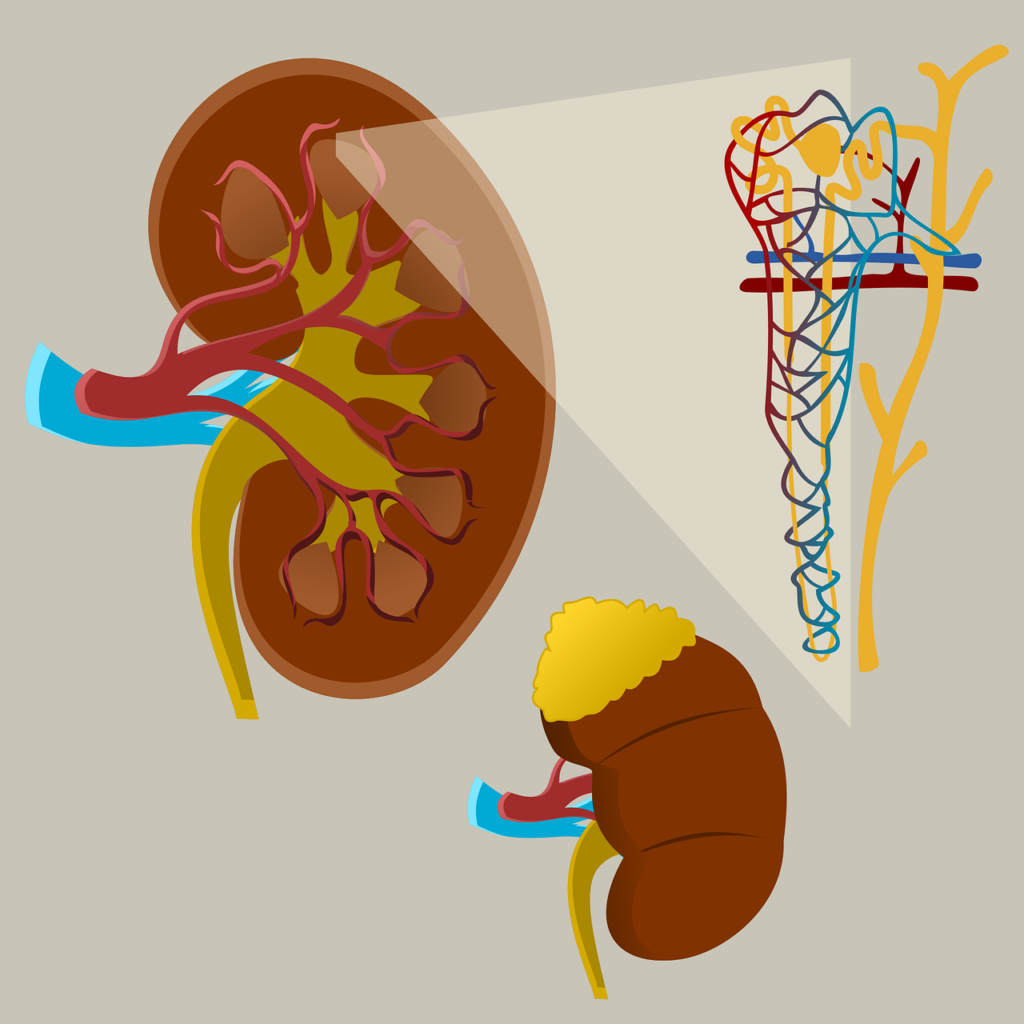
Complete Guide to Nephrology: Everything You Should Know Nephrology is a branch of medicine that focuses on the health of your kidneys and the diseases that affect them. Your kidneys are two vital organs that filter waste, balance fluids, control blood pressure, produce essential hormones, and keep your body in balance. Nephrology care plays a crucial role in preventing, diagnosing, and treating a wide range of kidney-related problems to ensure long-term kidney health. What Conditions Do Nephrologists Treat? A nephrologist is a specialist in nephrology and kidney care. They manage several conditions, including: Chronic Kidney Disease (CKD): Progressive loss of kidney function over time. Kidney Stones: Diagnosis, management, and prevention of stone formation. Acute Kidney Injury (AKI): Sudden and severe kidney damage caused by illness or medications. Glomerulonephritis: Inflammation of the kidney’s filtering units. Diabetic and Hypertensive Nephropathy: Kidney damage caused by diabetes and high blood pressure. Urinary Tract Obstructions & Infections: Conditions affecting urine flow and kidney drainage. Polycystic Kidney Disease (PKD): A hereditary disorder affecting kidney structure. Dialysis and Kidney Transplant Management: Integral parts of advanced nephrology care. When Should You See a Nephrologist? Early consultation is essential in nephrology. Visit a nephrologist if you notice: Swelling in your legs, feet, face, or hands Blood or foam in urine Persistent high blood pressure Family history of kidney problems Fatigue, weakness, or unexplained appetite loss Timely nephrology consultation helps prevent complications and maintain kidney function. How Are Kidney Problems Diagnosed in Nephrology? Nephrology specialists use advanced methods to assess kidney health, including: Blood tests: Measuring creatinine, urea, and other kidney-related markers Urine tests: Detecting protein, blood, or infections Ultrasound and CT scans: Imaging studies to examine kidney structure Kidney biopsy: Performed in selected cases for detailed evaluation These tools help nephrologists design accurate and personalized treatment plans. Treatment Options in Nephrology Treatment varies based on the condition and stage of the disease. Common nephrology treatments include: Lifestyle Changes: Adequate hydration, reduced salt intake, controlling diabetes and blood pressure Medications: To manage symptoms and slow progression of kidney disease Dialysis: A vital part of nephrology care for severe kidney failure Kidney Transplant: Offered when long-term kidney replacement is needed Modern nephrology emphasizes prevention and early intervention to minimize complications. How to Maintain Kidney Health? Drink water as advised by your nephrologist. Control diabetes and hypertension—key in nephrology care. Avoid unnecessary painkillers and over-the-counter medications. Eat a healthy, low-salt diet. Stay physically active. Schedule regular nephrology checkups if you are at risk. Trusted Nephrology Care Near You At Sandeep Memorial Hospital, Madurai, Dr. R.M. Sathish Kumar and his team of experienced nephrologists provide comprehensive kidney care using advanced diagnostic tools and personalized treatment plans. Whether it’s routine checkups, chronic kidney disease management, or dialysis services, our focus is on delivering high-quality nephrology care in Madurai with compassion. Learn More

Complete Guide to Nephrology: Everything You Should Know Read More »

urologist in madurai near me

New-Age Urology Care: Minimally Invasive Treatments for Faster Recovery

Urology Care Centre in Madurai Urology Care Centre in Modern Era is transforming how we treat kidney, bladder, and urinary problems. With cutting-edge technology and expertise, patients can now experience faster recovery and reduced discomfort. From kidney stone removal to advanced prostate care, minimally invasive techniques are changing lives for the better. 1. Laser Kidney Stone Removal Safe, quick, and highly effective in breaking stones without major cuts or long recovery times. Learn more 2. Laparoscopic Urological Surgery Minimally invasive method to treat complex urinary and reproductive issues with less pain. 3. Prostate Laser Treatment A modern solution to relieve enlarged prostate symptoms with shorter hospital stays. learn more 4. Ureteroscopy (URS) & Retrograde Intrarenal Surgery (RIRS) Advanced techniques for stones lodged in the urinary tract without open surgery. 5. Minimally Invasive Kidney Transplant Procedures Improved precision and reduced trauma during transplant surgeries. Minimally invasive urology ensures faster healing, fewer complications, and better results for both men and women. Choose a trusted Urology Care Centre to explore the best options for your needs. Follow our doctor Dr. R.M. Sathish Kumar on LinkedIn @Sandheepmemorialhospital https://sandheepmemorialhospital.com/ 83006 55325

New-Age Urology Care: Minimally Invasive Treatments for Faster Recovery Read More »

ScarlessKidneyStoneSurgeryAdvancedRIRSMiniPCNLbyDr.R.M.SathishKumarinMadurai (1)

Scarless Kidney Stone Surgery: Advanced RIRS & Mini‑PCNL by Dr. R.M. Sathish Kumar in Madurai

Scarless kidney stone surgery uses minimally invasive methods—RIRS (Retrograde Intrarenal Surgery) and mini-PCNL—to treat stones with little or no visible skin scar.  RIRS employs a flexible ureteroscope passed through the urinary tract and a laser to dust stones, resulting in no external incision, minimal bleeding, low pain, and often same-day discharge. It’s ideal for stones up to ~2 cm and suitable for patients with bleeding risk or cosmetic concerns. Who Can Undergo Scarless Surgery? Individuals with stones ≤ 3 cm prefer scarless cosmetic results.Patients at bleeding risk or with comorbidities benefit from minimal invasiveness.Recurrent stone formers, including children and the elderly.Those needing efficient yet gentle solutions.Not suitable: very large stones (> 4 cm), anatomical barriers—standard PCNL may still be necessary.Mini-PCNL creates a tiny 3–8 mm flank puncture (leaving an almost invisible PCNL Scar), uses laser/ultrasound to break stones, and suction to remove them. It offers high stone-clearance (90–95%+), low complication rates, and short hospital stays (1–2 days), ideal for stones up to ~3 cm .Patients who benefit include those with stones up to 3 cm, repeated stone formers, individuals prioritizing cosmetic outcomes, elderly or pediatric patients, and those with comorbidities. Both techniques achieve comparable success to standard PCNL but with faster recovery, less pain, and minimal scarring. Key Advantages of Scarless Surgery Cosmetic benefit – no or microscopic scars boost confidence.Less pain – minimal tissue damage reduces discomfort. Reduced bleeding – less hemoglobin drop vs traditional PCNL.Faster recovery – RIRS often same‑day; mini‑PCNL in 1–2 days. High stone‑free rates – comparable to standard approaches.Shorter hospital stay – outpatient possibilities.Lower complication rates, especially infections. Minimal analgesics, minimal wound care.At Sandheep Memorial Hospital , Dr. R.M. Sathish Kumar, a leading kidney problem doctor in Madurai in urology Madurai, offers expert scarless kidney stone surgery using both RIRS and mini‑PCNL, focusing on effective treatment without visible scars.For more detailsCall: 8300655325Visit https://sandheepmemorialhospital.com/Follow us on Instagram – https://www.instagram.com/sandheephospital/

Scarless Kidney Stone Surgery: Advanced RIRS & Mini‑PCNL by Dr. R.M. Sathish Kumar in Madurai Read More »

SandheepMemorialHospitalPremierUrologyCareinMadurai (1)

Sandheep Memorial Hospital: Premier Urology Care in Madurai

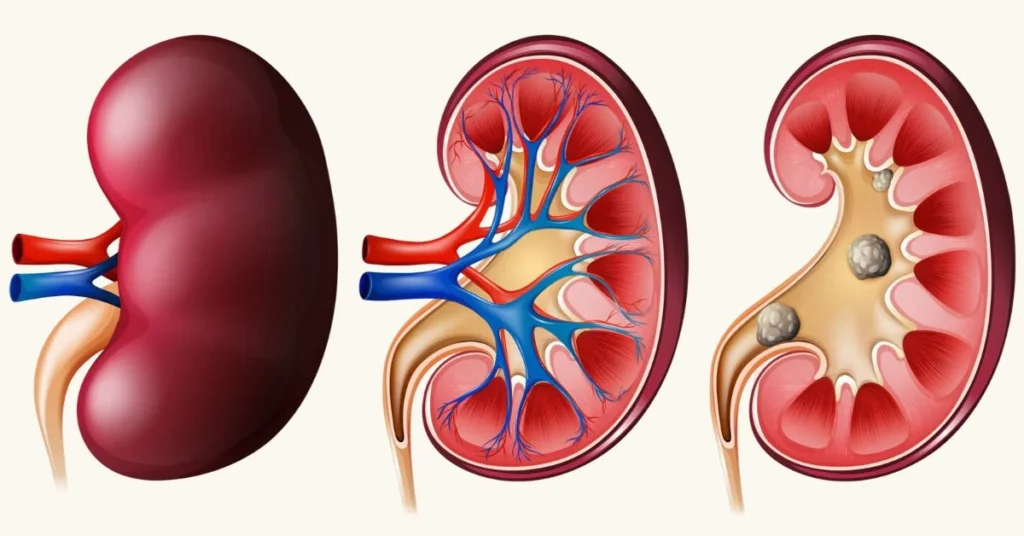
Kidney Stone Removal: Kidney stone removal surgery is a critical procedure performed by a skilled urology doctor in Madurai, especially for individuals suffering from painful and recurring kidney stones. Techniques such as Percutaneous Nephrolithotomy (PCNL), Ureteroscopic Lithotripsy (URSL), Retrograde Intrarenal Surgery (RIRS), and laser lithotripsy efficiently fragment or extract stones with minimal invasion—shortening recovery time and reducing hospital stays . PCNL, specifically, uses a small incision and scope to remove large stones (>2 cm), dramatically lowering complications compared to open surgeries. Who Benefits from Urology Treatment Patients undergoing such urology care at urology madurai centres include those with urinary tract infections, blood in urine, prostate enlargement, obstructive symptoms, and urological cancers. Children with congenital urinary abnormalities and adults with bladder or ureteric stones also make up a wide patient base . This treatment is effective for individuals who have tried medication or diet-modification without success, those experiencing severe pain, or individuals with high-risk stone recurrence—boosting quality of life through prompt, targeted intervention. Sandheep Memorial Hospital: Trusted Urology Centre As a leading urology doctor in Madurai, Sandheep Memorial Hospital, guided by Dr R.M. Sathish Kumar, has built a reputation as a top-tier urology madurai destination for urinary care. They offer cutting-edge procedures—laser lithotripsy, URSL, RIRS, and PCNL—supported by advanced diagnostics like CT, ultrasound, and urine analyses. With expertise in minimally invasive and laparoscopic techniques, Sandheep Memorial ensures quick recovery, low complications, and high patient satisfaction, making it a dependable choice for anyone seeking effective urology treatment in Madurai.

Sandheep Memorial Hospital: Premier Urology Care in Madurai Read More »