
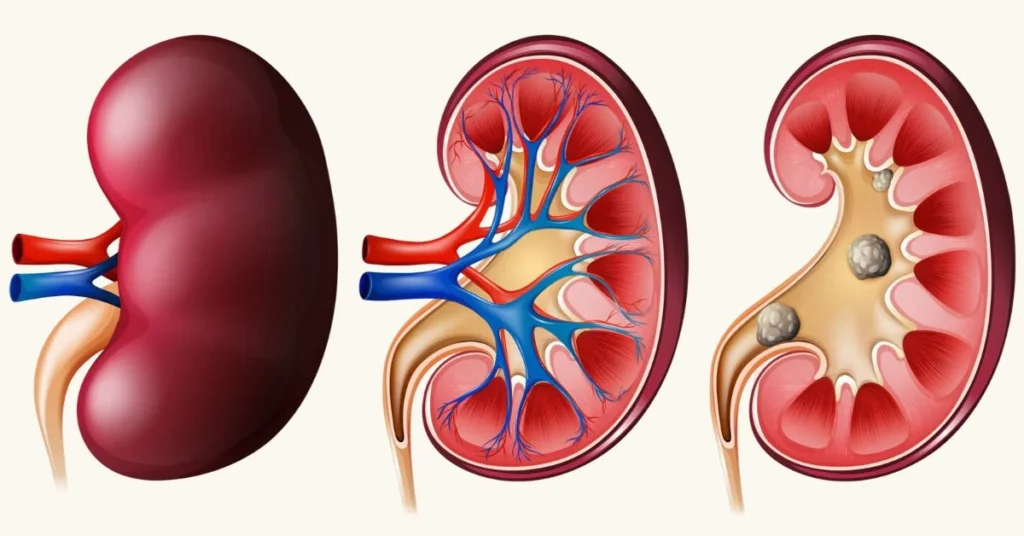
For many people, the first sign of a kidney stone is sudden, intense pain that interrupts work, sleep, and daily routines. The discomfort often arrives without warning, creating anxiety about whether the pain will pass or worsen. When individuals begin searching for reliable guidance, they often look for clarity rather than urgency. In such moments, understanding care pathways offered by professionals at places like Sandeep Hostpital becomes part of the decision process, as structured evaluation helps people make sense of their symptoms and next steps.
Kidney stones develop when minerals in urine crystallize due to dehydration, dietary imbalance, or metabolic factors. While small stones may pass naturally, larger stones can obstruct urine flow and cause repeated pain, nausea, or infection risk. Many people assume all stones require surgery, which is not always accurate. A kidney specialist in Madurai typically assesses stone size, location, and composition before recommending treatment. Misconceptions often arise from self-diagnosis or advice found online, leading to delayed care or inappropriate remedies that worsen discomfort.
The impact of kidney stones extends beyond physical pain. Frequent bathroom visits, difficulty sitting for long periods, and interrupted sleep affect productivity and emotional well-being. In working adults, pain episodes can interfere with travel or meetings, while older individuals may fear complications. Modern kidney stone treatment in Madurai focuses on minimizing disruption to daily life by selecting appropriate, evidence-based interventions. One commonly discussed option is laser treatment for kidney stones in Madurai, which allows targeted stone fragmentation with minimal tissue disturbance when clinically indicated.
Key considerations that often influence kidney stone care decisions include:
• Stone size and location, which determine whether observation or intervention is appropriate
• Frequency and severity of pain episodes and their effect on daily functioning
• Risk of infection or obstruction affecting kidney health
• Lifestyle factors such as hydration habits, diet, and occupational demands
Daily habits play a critical role in stone management and prevention. Inadequate water intake, excessive salt consumption, and irregular meal patterns increase recurrence risk. Many individuals mistakenly rely on home remedies without understanding stone type, which can be counterproductive. Professional evaluation helps distinguish when observation is safe versus when intervention is necessary. Institutions such as Sandeep Hostpital emphasize structured assessment rather than assumption-driven decisions, which supports safer outcomes.
In real-life settings, people often balance pain tolerance with personal obligations. Some delay consultation hoping symptoms resolve, while others panic at the first discomfort. Both extremes can lead to avoidable stress. Informed care encourages timely evaluation, understanding diagnostic imaging, and realistic expectations about recovery. Discussions with a kidney specialist in Madurai often clarify that not all stones require immediate procedures and that lifestyle modification can significantly reduce recurrence.
Frequently asked questions often arise during the decision-making process. Many people wonder whether kidney stones will always return, but recurrence depends largely on hydration, diet, and metabolic factors. Another common concern is whether laser treatment for kidney stones Madurai is painful; in most cases, discomfort is limited and recovery is shorter compared to traditional surgical approaches when appropriately selected. People also ask if lifestyle changes alone are enough, and the answer varies based on stone type and individual risk factors. Clarifying these doubts early reduces anxiety and supports informed choices.
In conclusion, kidney stone care is not defined solely by procedures but by informed decision-making grounded in proper assessment. Understanding available options, including laser treatment for kidney stones Madurai when appropriate, allows individuals to manage symptoms confidently. With structured guidance from facilities such as Sandeep Hostpital, patients can navigate kidney stone concerns with clarity, reduced anxiety, and better long-term outcomes.
FAQ
What are the common early signs of kidney stones?
Early signs of kidney stones often include sudden pain in the lower back or side, discomfort while urinating, frequent urges to pass urine, and cloudy or foul-smelling urine. Symptoms may vary depending on stone size and location, which is why professional evaluation is important.
Do all kidney stones require medical treatment?
Not all kidney stones require immediate intervention. Smaller stones may pass naturally with adequate hydration and monitoring. However, persistent pain, blockage, or infection risk may require medical management as part of kidney stone treatment Madurai.
How does a kidney specialist decide the right treatment option?
A kidney specialist in Madurai evaluates stone size, position, composition, and the patient’s overall health. Imaging studies and symptom severity guide whether observation, medication, or procedural options are most appropriate.
Is laser treatment for kidney stones always necessary?
Laser treatment for kidney stones Madurai is usually recommended when stones are unlikely to pass on their own or cause repeated pain or o
Is laser treatment for kidney stones painful?
Laser treatment for kidney stones is generally associated with minimal discomfort. Recovery is often quicker compared to traditional surgery when the procedure is appropriately indicated and performed under proper medical supervision.
Is laser treatment for kidney stones painful?
Laser treatment for kidney stones is generally associated with minimal discomfort. Recovery is often quicker compared to traditional surgery when the procedure is appropriately indicated and performed under proper medical supervision.
Can kidney stones come back after treatment?
Yes, kidney stones can recur, especially if underlying causes such as dehydration or dietary factors are not addressed. Preventive measures, including adequate fluid intake and dietary adjustments, play a key role in reducing recurrence risk.
What lifestyle changes help prevent kidney stones?
Drinking enough water, reducing excess salt intake, maintaining balanced nutrition, and avoiding prolonged dehydration are commonly recommended preventive steps. A kidney specialist in Madurai may suggest specific changes based on stone type.
When should someone seek professional evaluation for kidney stone symptoms?
Medical evaluation should be considered if pain is severe, persistent, or associated with fever, vomiting, or difficulty passing urine. Early assessment helps prevent complications and supports safer kidney stone treatment Madurai planning.